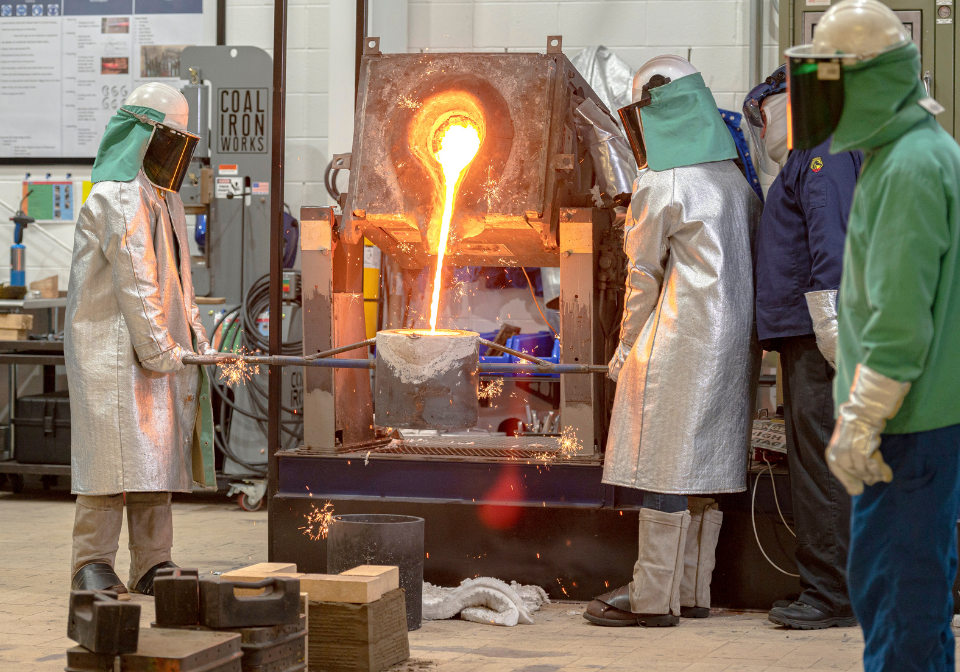
The Metal Castings Lab includes all the equipment needed to create metal castings
in sand or permanent molds. The 75-kilowatt induction furnace can melt 100 pounds
of cast iron or steel. The combustion furnace allows the melting of 40 pounds of non-ferrous
metals. There is also a resistance furnace, designed and built by Trine students.
2/15
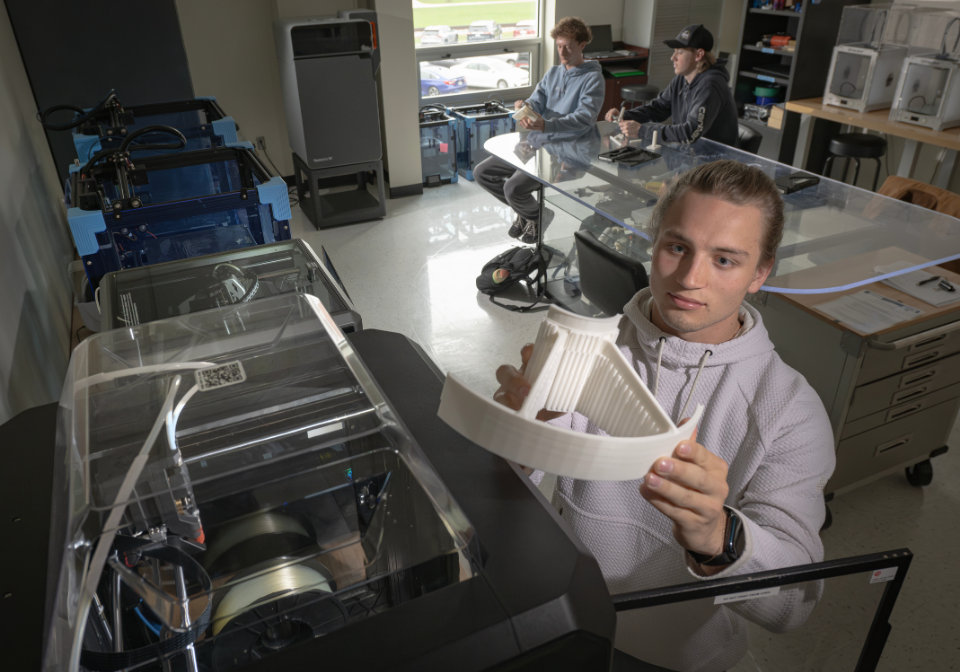
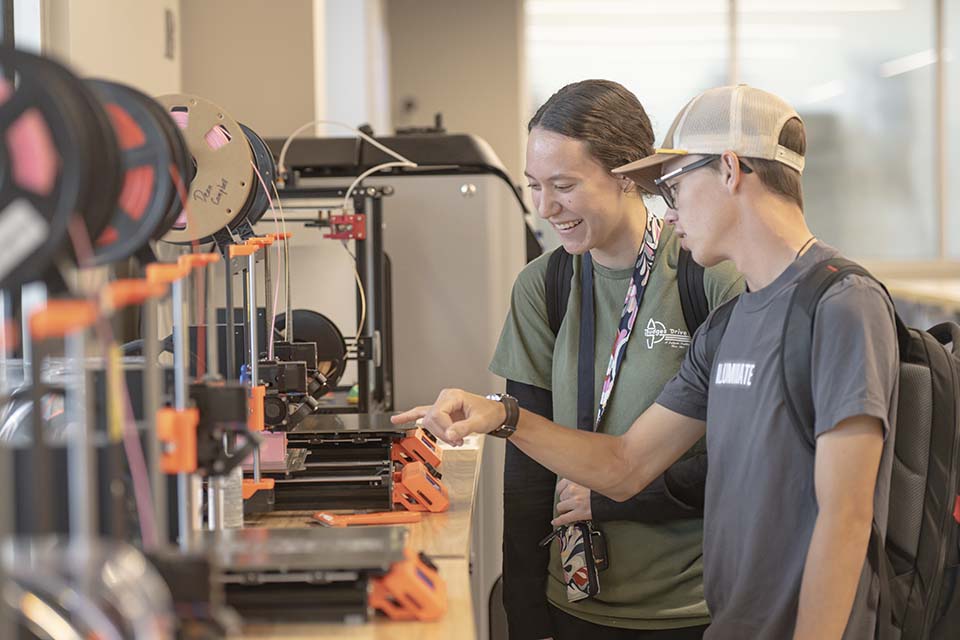
Design engineering technology majors can use advanced 3D-printing equipment in the
Additive Manufacturing Lab to create prototypes and bring projects to life.
3/15
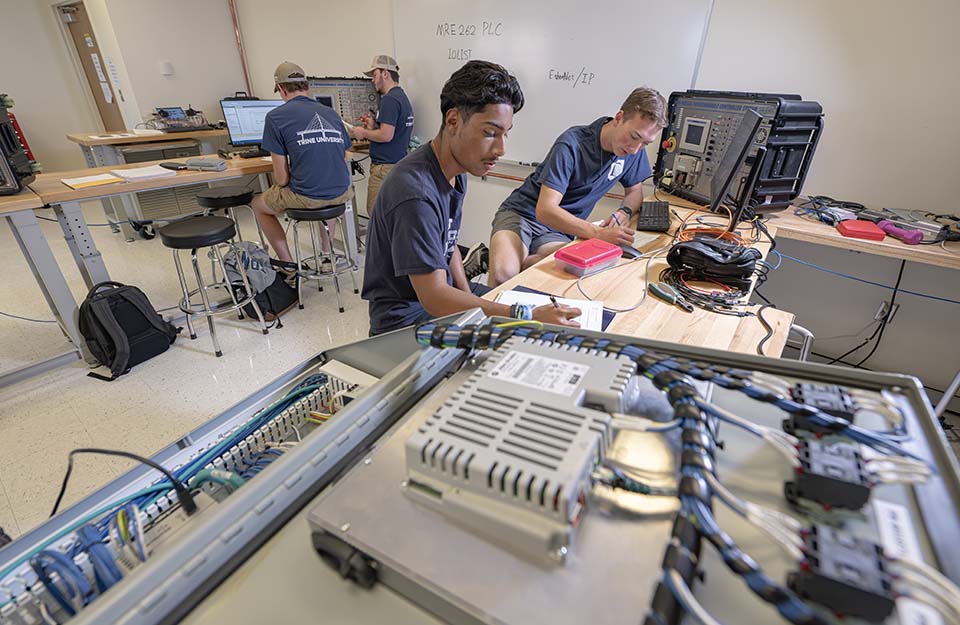
The Advanced Automation and Controls Lab includes equipment that allows you to earn
industrial certifications along with your Trine University engineering degree.
4/15
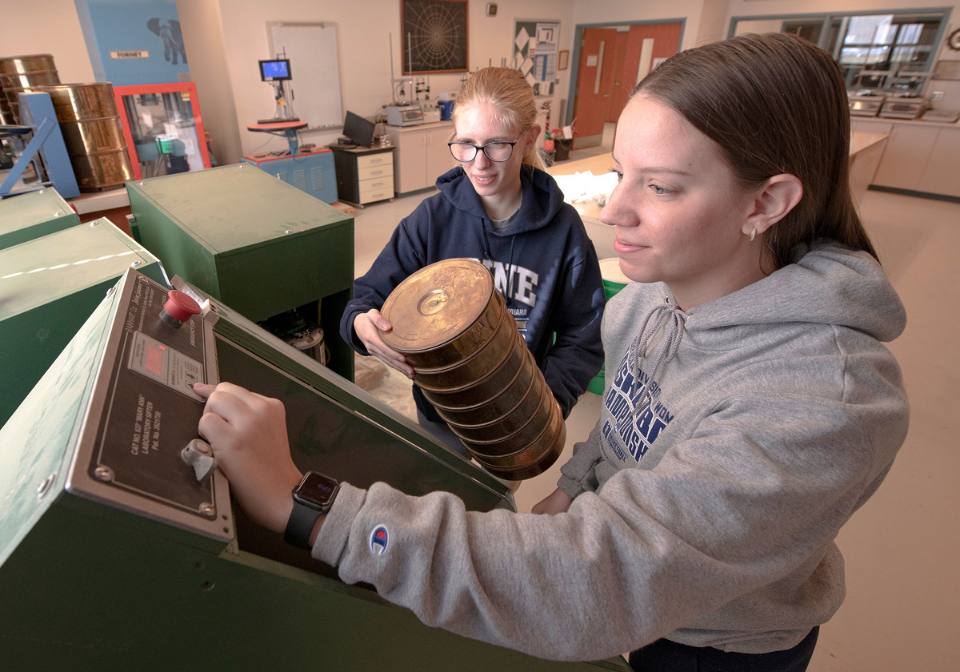
The civil engineering concrete and materials testing labs provide the ability to analyze
strength and particle size properties of road and building materials.
5/15
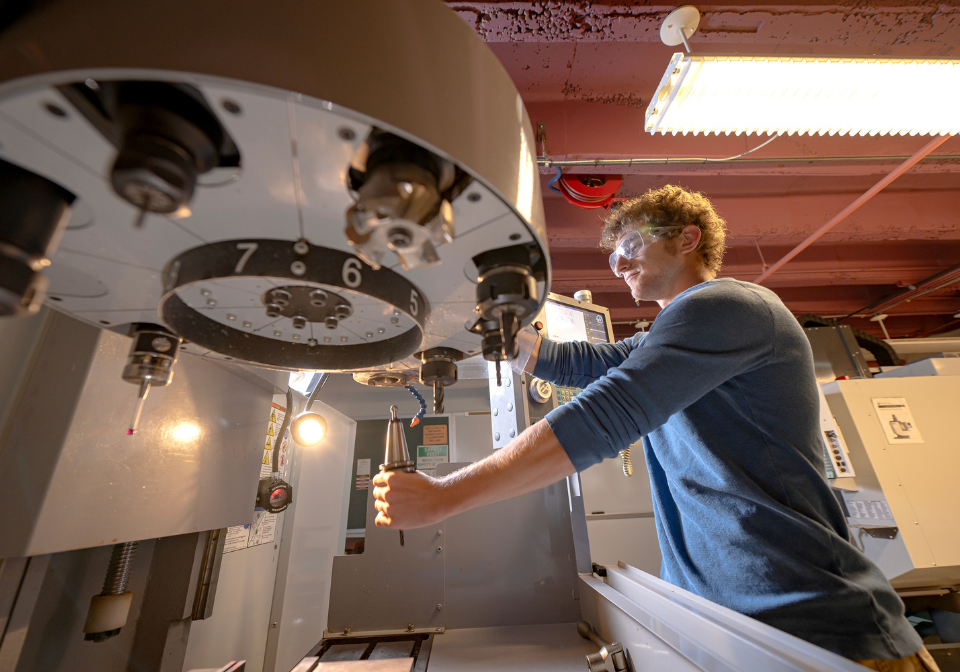
In the Design Engineering Technology department's computer numerical control (CNC)
machining lab, you will be able to apply yourr computer drawings and designs toward
the creation of real product parts.
6/15
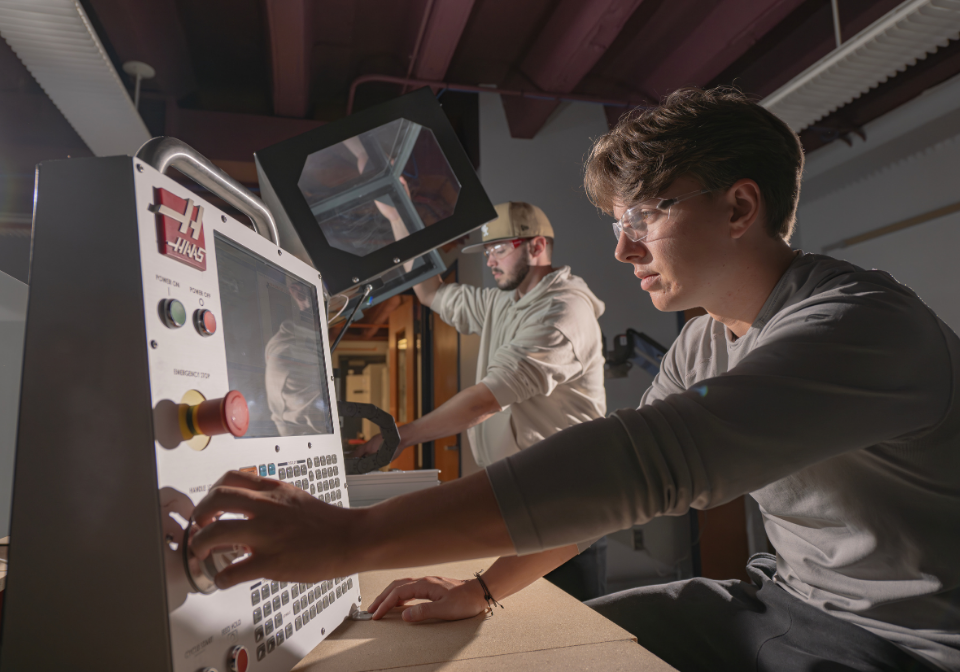
The CNC accessory lab allows for more detailed refining and customization of CNC-machined
parts.
7/15
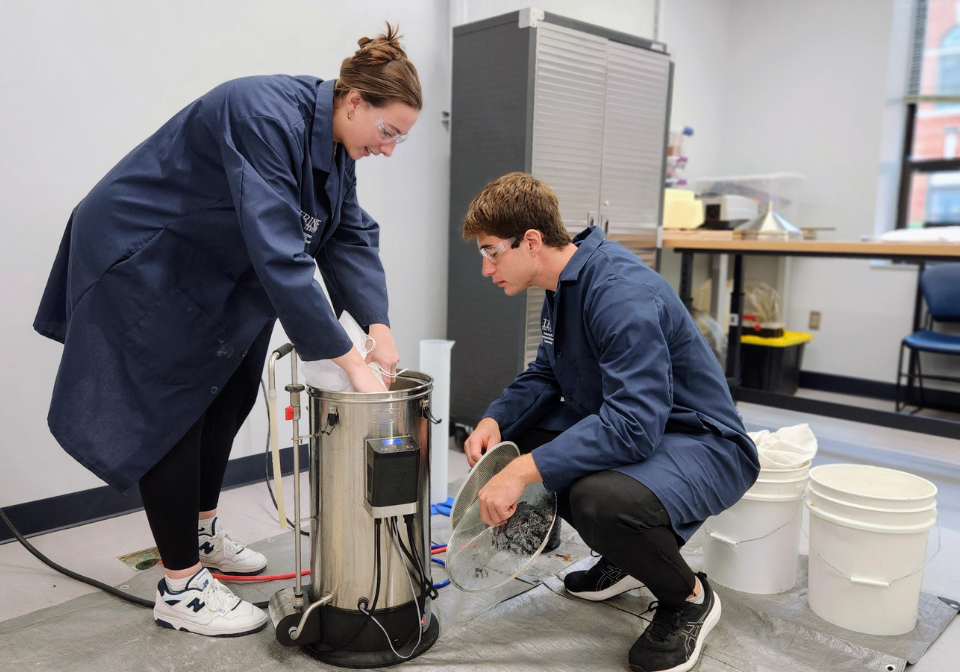
The chemical engineering food and beverage lab includes equipment for the production,
optimization and quality testing of food-grade products, including chocolate, coffee,
ice cream and fermented beverages.
8/15
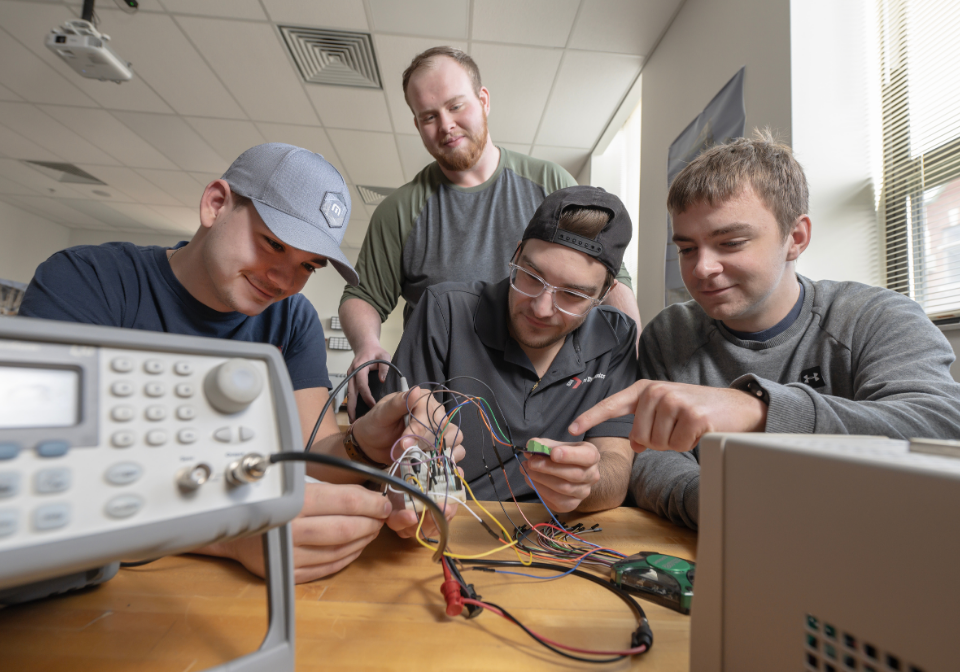
From beginner to advanced, build and analyze your own circuits with varied power supplies
and prototype boards in the electrical and computer engineering circuits and electronics
lab.
9/15
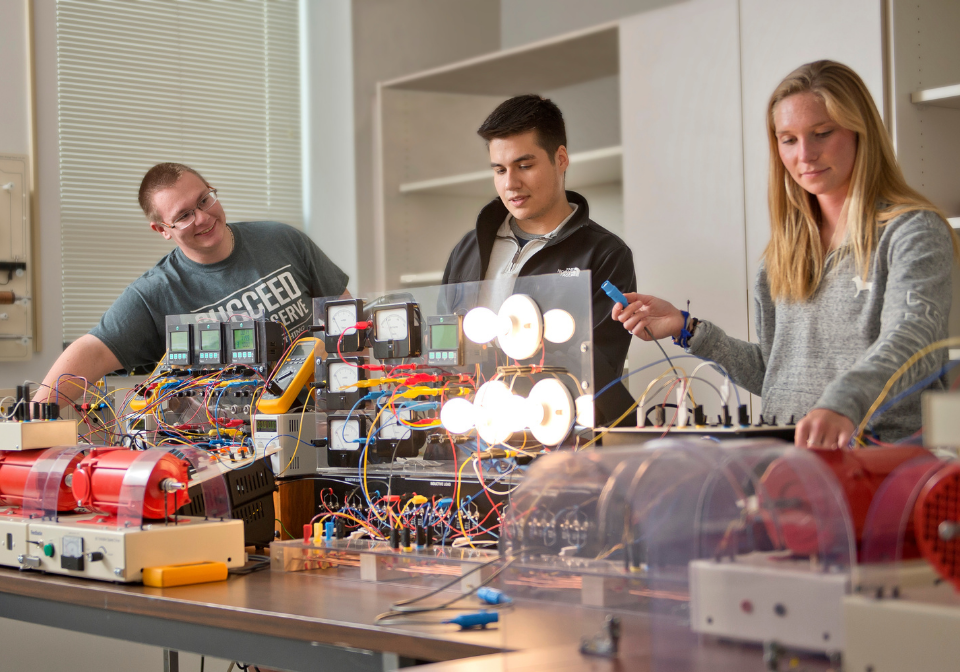
The Electrical Machines and Power Lab allows you to compare theory to the practical
design of three-phase power generation, test the performance of electrical machines,
calculate the power received by different loads and generate electrical energy.
10/15
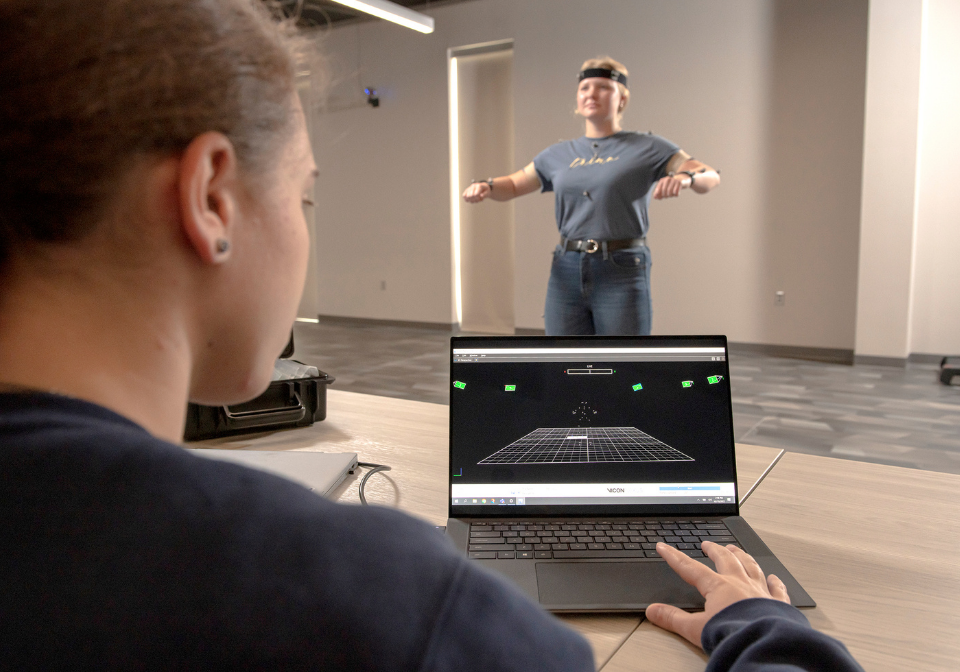
In the biomedical engineering human biomechanics lab, you'll use motion capture sensors,
force plates and virtual reality to determine how muscles, joints and bones interact
- identifying improvements for performance, rehabilitation or injury prevention.
11/15
Designed by Trine University students, the Artificial Intelligence and Computation
Fluid Dynamics Lab contains state-of-the-art equipment used to develop artificial
intelligence that can guide naval vessels and predict flow patterns in large bodies
of water.
12/15
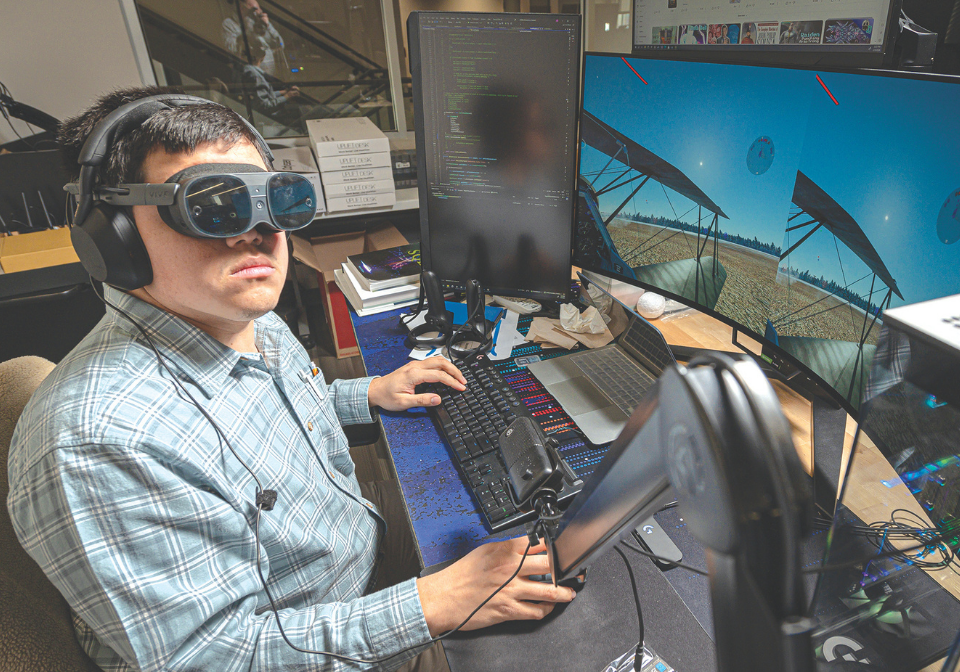
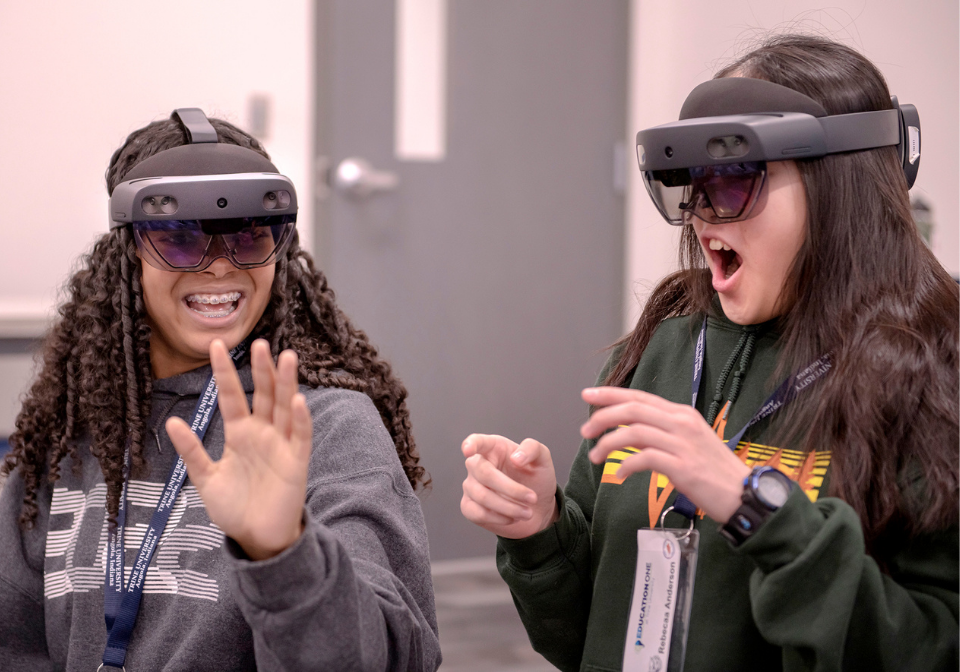
Explore and create new worlds in the AR/VR lab! State-of-the-art headsets from HTC,
Microsoft and Meta and a bHaptic TactSuit will help you feel as well as see virtual
environments, immerse yourself in real-life manufacturing facilities, and visualize
your engineering project prototypes in 3D.
13/15
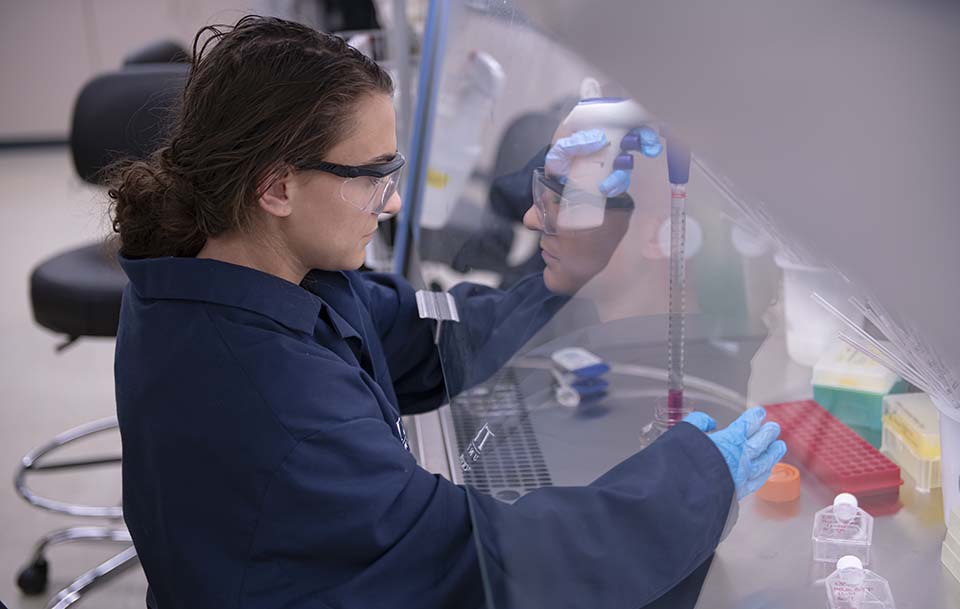
Engineer models that can be used to research how human tissues react to environmental
conditions or create substitutes that can repair or maintain tissue or organ function
in the Jim and Joan Bock Tissue Engineering Lab
14/15
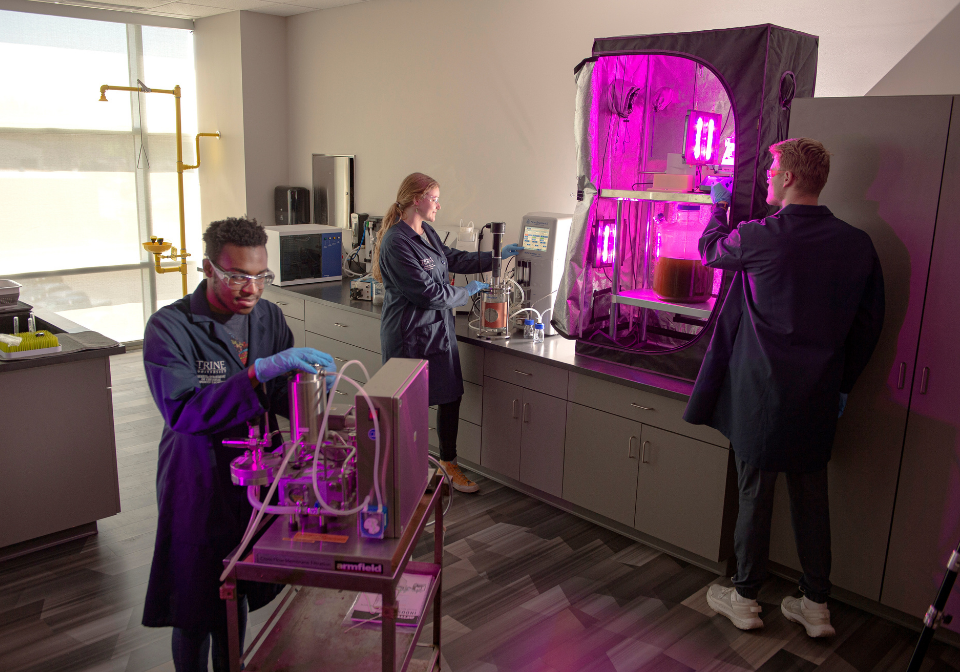
In the bioseparations lab, grow living organisms such as algae or bacteria to produce
biofuels and therapeutics. Isolate your products using advanced filtration, binding,
or electrophoresis.
15/15
Trine University's Makerspace Innovation Learning Lab (MILL) has a variety of equipment
available for active learning, including 3D printers, video production equipment,
heat transfer, sewing and embroidery machines, cutting machines and simple robots.