New Trine University programs offer quicker pathway to careers
October 14, 2026
Students who want to become pharmacists or construction managers will soon have a quicker, more cost-efficient pathway to those careers.
1/3
March 05, 2025
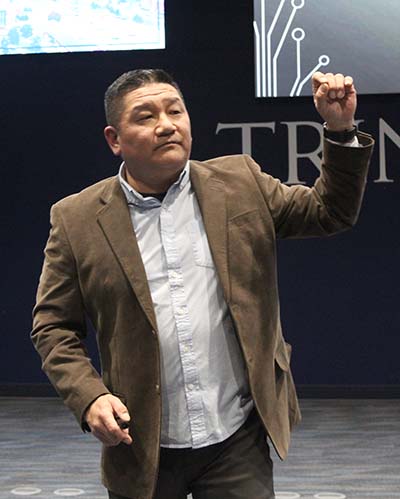
Some of that data can help solve crimes.
Paul Meitz, lead digital forensic detective with the Fort Wayne Police Department, shared some of the techniques used to dissect digital evidence with about 50 Trine University students during an event on Feb. 26.
Sponsored by the university’s Cold Case Unit, “CSI Bytes: Digital Forensic Evidence Dissection,” held in the Mark and Sarah Music/Ruoff Mortgage Esports Arena, covered the cutting-edge technology used in criminal investigations as well as the implications of cultural attitudes toward data privacy, information sharing and surveillance.
“The detective had great information to share and also elaborated on cases that they have used, new strategies with AI in forensic digital evidence, and how to enter this field if you would like to be a detective or investigator within the IT industry,” said Erica Hutton, Ph.D., director of the Cold Case Unit and assistant professor of criminal justice.
‘Amazing’
Gracie Schoof, a criminal justice major from Corunna, Indiana, said the event was “overall amazing.”
“What stuck out to me the most is the details that a smart watch can provide you with, such as telling you if a person was asleep when they say they were and what their heart rate was,” she said. “It’s just so interesting that something that a lot of people wouldn’t think twice about can actually be very impactful.”
Nathan Bradshaw, a computer science and information technology major from New Paris, Indiana, was fascinated by the data available from so many different devices.
“Detective Meitz explained that even a device that is connected through Bluetooth keeps a log of connected devices, which can be used to determine if an individual's device was present at a crime scene,” Bradshaw said. “He brought up that even a smart lightbulb can log and provide that data.”
Bradshaw hopes to eventually work in digital forensics and said the event affirmed that desire.
“Detective Meitz said you aren't required to become a police officer to get into digital forensics, which aligns with my interests,” he said. “He explained that analyst positions are important in law enforcement and the need for them is growing.”
Schoof, who wants to work for the FBI, said learning about all the types of evidence that can be used in investigations was helpful as she looks ahead to a future career.
She said she appreciates the guest speakers Dr. Hutton has provided to give insights into different elements of law enforcement and criminal investigation.
“Last semester she brought in the Search and Rescue team and the search dogs,” she said. “This month she plans to bring in a board of women who work in some aspect of law enforcement or criminal justice. I am looking forward to hearing from the speakers she brings in!”
Students who want to become pharmacists or construction managers will soon have a quicker, more cost-efficient pathway to those careers.
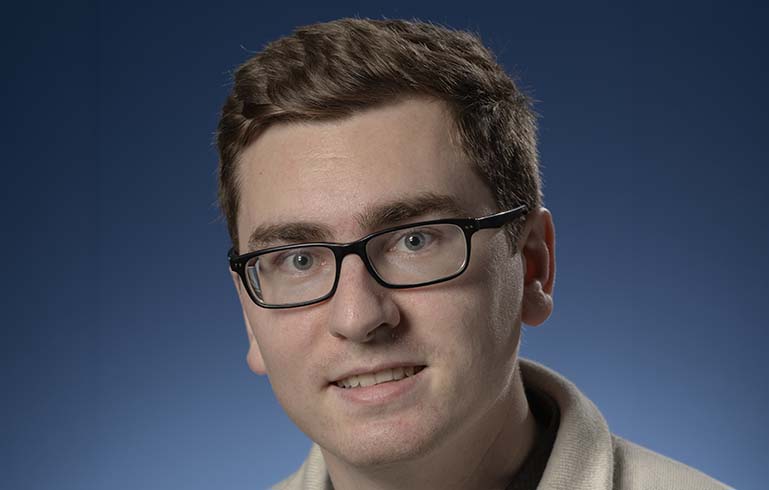
Jeremy Goossens, director of esports and industry innovation at Trine University, was named Director of the Season by ECAC Esports, the comprehensive collegiate esports league where Trine competes, for spring 2026.
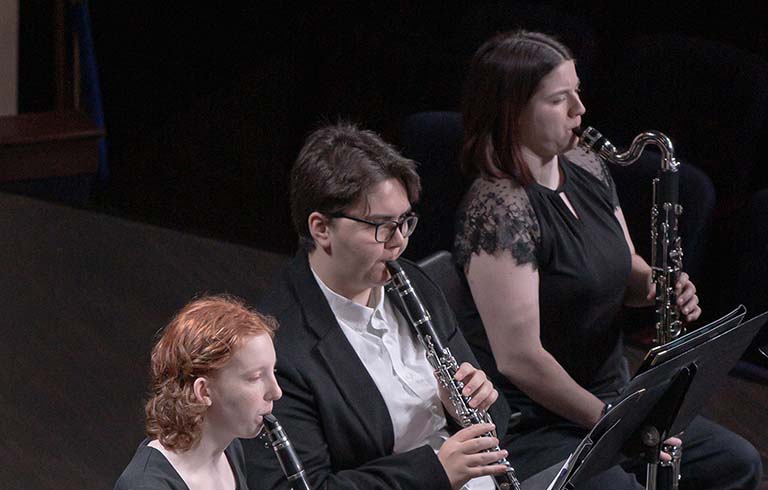
The Trine University music program will open its 2026-2027 concert season with the return of its annual “Halloween Haunt-cert” at 3 p.m. Saturday, Oct. 24.