Trine promotes faculty, staff
September 23, 2026
Trine University promoted faculty and staff members in multiple departments to new roles over the summer.
1/3
May 08, 2026
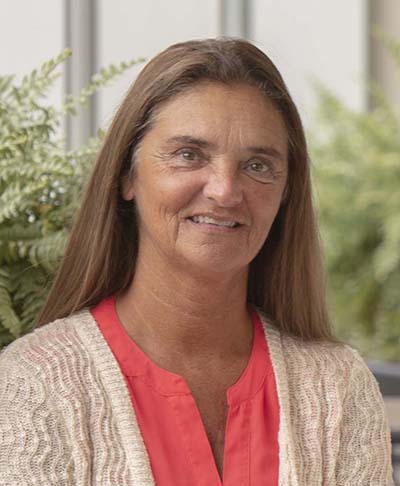
By Angel Jennings, PhD, MSN, RN-Gero BC, CDP, CNE
 As we celebrate National Nurses Week, the nursing workforce is under pressure across
the country. Staff shortages, high patient acuity and increasing complexity of care
delivery are besetting our healthcare systems. Nursing education programs are being
asked to provide graduates who will step directly into practice - faster, more efficiently
and with the ability to cope at an increasingly fast pace with changing environments.
As we celebrate National Nurses Week, the nursing workforce is under pressure across
the country. Staff shortages, high patient acuity and increasing complexity of care
delivery are besetting our healthcare systems. Nursing education programs are being
asked to provide graduates who will step directly into practice - faster, more efficiently
and with the ability to cope at an increasingly fast pace with changing environments.
That level of demand can’t be met through minor adjustments. It makes us re-imagine how we educate nurses.
Limited clinical placement opportunities have held back the growing workforce. Traditional clinical models are important, but not enough on their own. Some programs are finding innovative ways to enhance these experiences with high-quality simulation.
At Trine University, simulation is not added-on, it is a core part of how students are prepared. By building strong healthcare partnerships and using advanced simulation environments, our students are immersed in realistic, high-stakes scenarios where they develop clinical judgment, confidence and competence long before practicing in the clinic. When employed purposefully, simulation isn’t a substitute for clinical education; it enhances it.
There is also a need for flexibility in program delivery. Current nursing students juggle work, family and continuing education. If programs are too prescriptive, we may lose good nurses who aren’t able to accommodate conventional schedules.
At Trine, we have designed our RN-to-BSN and MSN programs to be fully online and asynchronous specifically for working nurses. This provides students with chances to remain actively involved in their immediate role and apply what they learn in their daily-life activities.
We must, too, think about getting students ready for what practice, in fact, is going to look like today.
Health leaders say we need nurses who communicate clearly, think critically and act quickly. These are skills that don’t just magically happen to be developed. We bring them into our school curriculum at Trine as case-based learning, reflective practice and practicum experiences that directly apply to patient care. Our students are not just absorbing information; they are learning the decision-making skills and professional behaviors they will use to make decisions daily.
None of this is possible without strong faculty support. With the shifting landscape of education comes an increasing need for more inclusive, engaged faculty and consistent, clear feedback. Both are essential, which we emphasize, alongside a robust Systematic Plan of Evaluation (SPE): an ongoing process that ensures that we are collecting data and making educated adjustments.
We listen to feedback from students, graduates, employers who hire us and clinical partners so that our programs remain cutting-edge and responsive.
Another reality we cannot ignore is cost. Many of our students working in demanding roles already face barriers to receiving a higher education. We are now helping to ease this burden through integrated learning resources that move away from traditional texts, providing students with access to up-to-date, interactive content while reducing costs. The objective is nothing fancy: Provide a quality educational experience and at the same time be sensitive to budget.
Lastly, none of this happens in a vacuum. We need strong academic–practice partnerships. Our work with advisory boards and clinical partners continues to ensure that the information we’re delivering speaks to practice, from communication expectations to operating with higher-acuity patients. That connection is what, ultimately, makes our graduates not only prepared to enter the workforce, but prepared to succeed in it.
One program may not be able to build the strength of nursing education by itself. It necessitates joint commitment to education and practice. But programs that are adaptable, innovative and remain closely aligned with the needs of the profession will facilitate that lead. At Trine University, that’s exactly what we are going to do.
Because, ultimately, the future of healthcare comes down to the kind of nurses we can train today.
Dr. Angel Jennings is associate professor and executive director of nursing at Trine University.
Trine University promoted faculty and staff members in multiple departments to new roles over the summer.
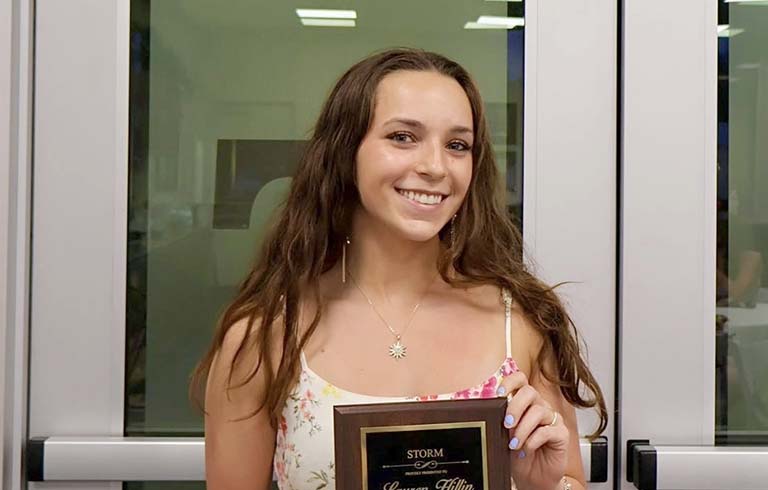
The Phi Eta Sigma National Honor Society recently named Trine University pre-med biology student Lauren Hillin of Charlotte, North Carolina, its Foy-Sagabiel Undergraduate Scholar Leader of the Year.
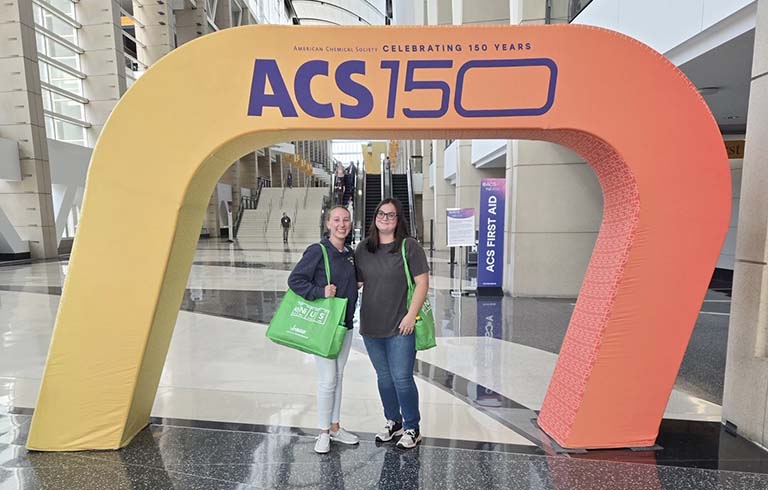
Two Trine University students — Chloe Laird, a chemical engineering major from Warsaw, Indiana, and Makenzie Amich, a forensic science major from Thorntown, Indiana — recently had the opportunity to connect with thousands of chemistry professionals and students from across the country at the American Chemical Society (ACS) national meeting in Chicago.