Eating Disorders in the Athletic Field
This post was authored by several Trine University students as part of a classroom group research project for SM-393 Sport Psychology. The Trine University Center for Sports Studies Blog features these student contributions to showcase their academic work, encourage thought-provoking discussion and highlight new perspectives within the study of sports.
Eating Disorders in the Athletic Field
By Lucionno Finley, Victor Merritt and Jacob Seier
Introduction
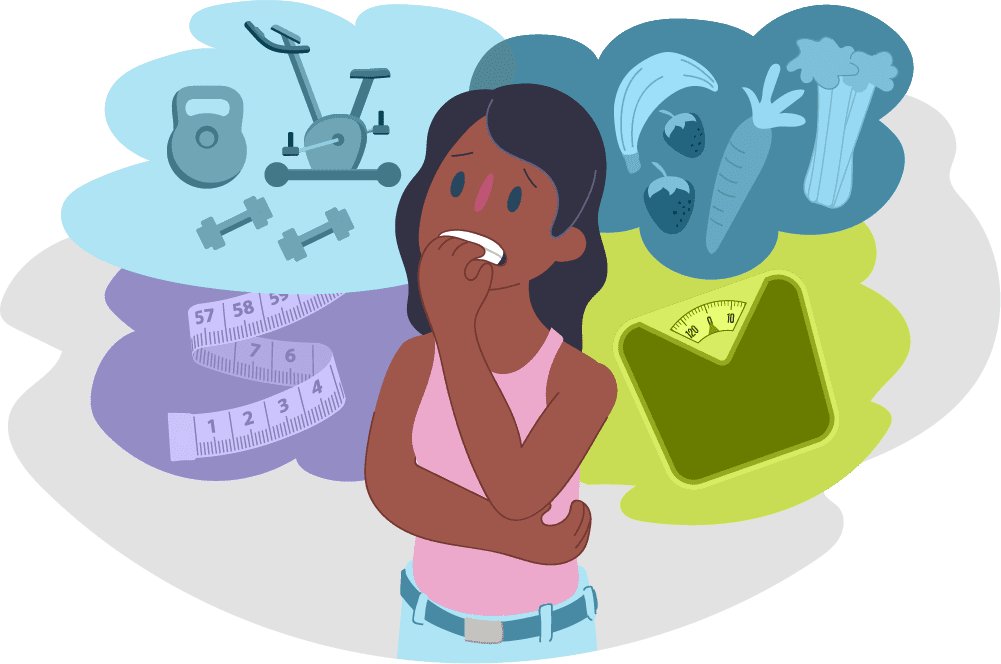 In the world of competitive sports, athletes are held to specific body standards to
achieve peak performance. This relentless pursuit of excellence comes with a hidden
cost: the growing prevalence of eating disorders. Athletes in weight-sensitive or
aesthetic sports like gymnastics, wrestling or figure skating may increase their risk
of disordered eating behaviors. Athletes driven by societal ideals, team expectations
and personal aspirations are often encouraged to achieve specific body types, leading
to unhealthy habits or a distorted self-image. The emphasis on health and fitness
in sports overlooks or minimizes eating disorders among athletes, making it crucial
to understand the underlying causes and consequences eating disorders can have on
an athlete's physical and mental health. This blog post will explore the prevalence
of eating disorders in athletes, examine contributing factors and discuss potential
interventions to support healthier practices in the sports community.
In the world of competitive sports, athletes are held to specific body standards to
achieve peak performance. This relentless pursuit of excellence comes with a hidden
cost: the growing prevalence of eating disorders. Athletes in weight-sensitive or
aesthetic sports like gymnastics, wrestling or figure skating may increase their risk
of disordered eating behaviors. Athletes driven by societal ideals, team expectations
and personal aspirations are often encouraged to achieve specific body types, leading
to unhealthy habits or a distorted self-image. The emphasis on health and fitness
in sports overlooks or minimizes eating disorders among athletes, making it crucial
to understand the underlying causes and consequences eating disorders can have on
an athlete's physical and mental health. This blog post will explore the prevalence
of eating disorders in athletes, examine contributing factors and discuss potential
interventions to support healthier practices in the sports community.
Review of the Literature
According to Bennett (2021), “Eating disorder treatment involves four primary goals: 1. Assessment and treatment of acute/chronic medical conditions 2. Normalization of eating patterns and nutritional rehabilitation 3. Development of adaptive coping and communication skills 4. Guidance for mindful athletic training and intentional recovery.” Treatment is based heavily on the caregivers of minors and adolescents. Parents need to be able to provide basic needs for their children and watch over their eating habits (Bennett, 2021). Another set of data suggests that female athletes, especially in high-endurance sports, tend to have more eating problems than non-female athletes (Thompson, 2014). Female athletes are 1.75 to 3 times more likely to have an eating disorder than male athletes (Thompson, 2014). “Even though suicidal ideation was frequent in both athletes and non-athletes, 50.5% of athletes reported any suicidal thoughts compared to 54% of non-athletes” (Flatt et al., 2021). In the study, only two-point nine percent previously were treated for eating disorders, nine-point eight percent were currently in treatment and eighty-seven-point nine percent had not received any treatment for eating disorders (Flatt et al., 2021). “Coaches can play an important role in identifying eating problems in their athletes. Results from a survey of NCAA coaches of women athletes suggested that coaches were relatively knowledgeable regarding disordered eating but had difficulty in identification” (Becker et al., 2014). Disordered eating and eating disorders are more prevalent in sports involving more cardiovascular exercise for men and women, but regardless, eating disorders are non-discriminatory to what sport athletes play (Becker et al., 2014). Elite levels of competition are highly correlated with disordered eating in male competitive athletes and intense weight loss behavior (Karrer et al., 2020).
Implications for the Practitioner
Knowing the prevalence of eating disorders within athletes, it's safe to say a solution is greatly needed for this issue, especially the way it can play into mental health. Within the article from Bennett (2021), it talks about some solutions being based on research, understanding that parents need to be able to provide basic needs for their children and watch over their eating habits. The adults or persons responsible for their child’s eating and nutrition needs to be well informed on what goes into their children's mouths. It would remain the same in another level of sports like collegiate sports, as coaches can play an important role in identifying eating problems in their athletes (Becker et al., 2014). This source from Becker et al. (2014) suggested that “coaches were relatively knowledgeable regarding disordered eating but had difficulty in identification” so helping the coaches be more knowledgeable within the nutritional world would give a head start to fixing the situation. It stated that eighty-seven-point nine percent of eating disorder cases received no treatment. There is no reason athletes who are constantly working on their craft shouldn’t receive constant testing and treatment for something as serious as this. It should be fixed within all sports programs.
Conclusion
The intense pressure athletes face to meet specific body standards, combined with society and sport demands contribute majorly to the development of eating disorders among athletes. Athletes in weight sensitive and aesthetic sports are more likely or vulnerable to these pressures, leading to development of eating disorders and a distorted self-image. A greater emphasis on education and support of eating disorders in sports is essential for positive progress. This includes the active involvement of parents, coaches and sport organizations in recognizing and addressing these disordered eating. Effective solutions should consist of constant monitoring of athletes' food intake, education on nutritional needs and more focused mental health support. With these approaches implemented into our society, the sports community can support athletes' physical and mental well-being, creating a healthy environment for them to thrive and succeed.
References
Becker, C. B., Engel, S. G., Association, A. P., Anderson, C. M., Arthur-Cameselle, J. N., Barrack, M. T., Berg, S. L., Clausen, L., Crandall, C. S., Bruin, A. P. D., Doughty, J., Filaire, E., Forney, K. J., Gale, C., & Greenleaf, C. (2014, June 24). Reflections on athletes and eating disorders. Psychology of Sport and Exercise. https://www.sciencedirect.com/science/article/pii/S146902921400082X
Bennett, K. (2021). Treating athletes with eating disorders: Bridging the gap between sport and clinical worlds. Routledge.
Flatt R. E., Thornton L. M., Fitzsimmons-Craft E. E., Balantekin K. N., Smolar L., Mysko C., Wilfley D. E., Taylor C. B., DeFreese J. D., Bardone-Cone A. M., Bulik C. M. (2021). Comparing eating disorder characteristics and treatment in self-identified competitive athletes and non-athletes from the National Eating Disorders Association Online Screening Tool. The International Journal of eating disorders. https://pubmed.ncbi.nlm.nih.gov/33252150/
Karrer, Y., Halioua, R., Mötteli, S., Iff, S., Seifritz, E., Jäger, M., & Claussen, M. C. (2020, October 23). Disordered eating and eating disorders in male elite athletes: A scoping review. BMJ open sport & exercise medicine. https://www.ncbi.nlm.nih.gov/pmc/articles/PMC7642204/
Thompson, R. A. (2014). Eating disorders in sport. Routledge.