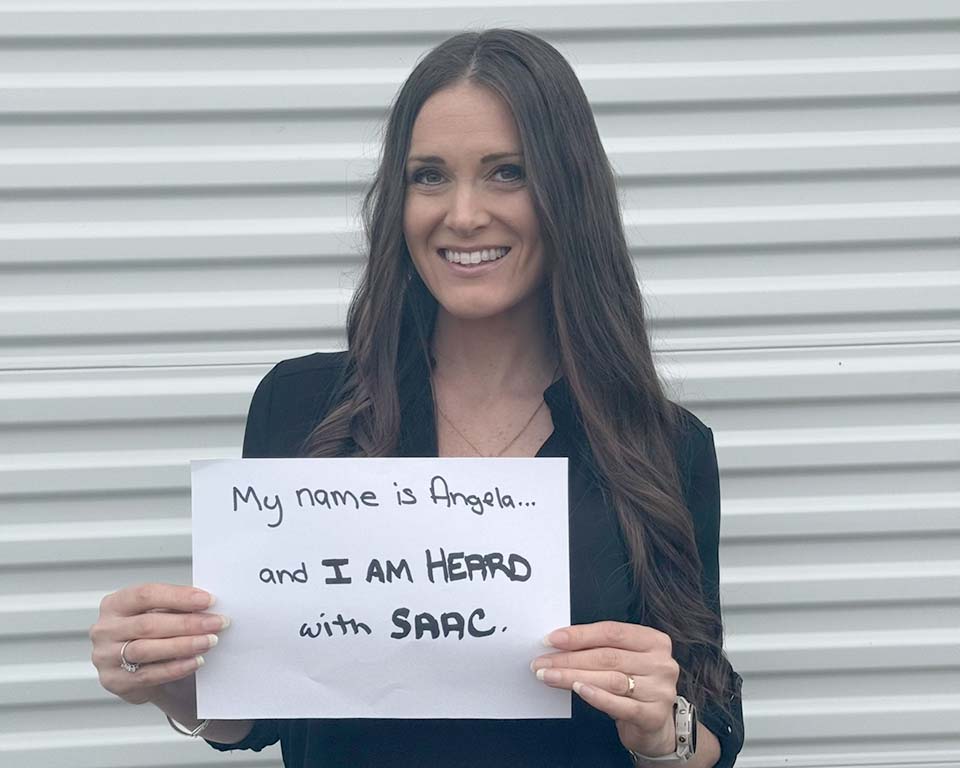
Angela (Kesler) Santoro’s life was full of adventure.
The 2018 Trine University Doctor of Physical Therapy graduate’s career included stops
in her native Alaska and in northern California. Each location offered new experiences,
particularly in the outdoors.
But that changed on June 9, 2025.
“I began to experience an extensive catalog of debilitating symptoms,” she recalled.
“The action-packed life I thrived in came to a devastating stop as I was catapulted
into functional loss. I was in and out of hospitals and bedridden for four months.”
‘Devastating’
With symptoms including vision and hearing loss, weakness, involuntary muscle movements,
difficulty breathing, unstable vital signs, bowel and bladder dysfunction, temperature
intolerance and constant pain, Angela struggled to find a cause.
“Disturbingly, I was repeatedly dismissed and my symptoms downplayed by healthcare
providers,” she said. “Going to the doctor became devastating.”
Multiple MRIs finally revealed she has syringomyelia, a rare disorder caused by a
syrinx, a cyst filled with cerebral spinal fluid located in the spinal cord or brain
stem.
“A syrinx in the spinal cord interrupts critical neurological pathways that communicate
and connect the brain and body,” Angela explained. “Once that communication pathway
is disrupted by a syrinx, it no longer functions appropriately.”
No cure, few treatments
There is no known cure for the disorder. Angela said because syringomyelia is so rare
and often misdiagnosed, there are few proven treatment options.
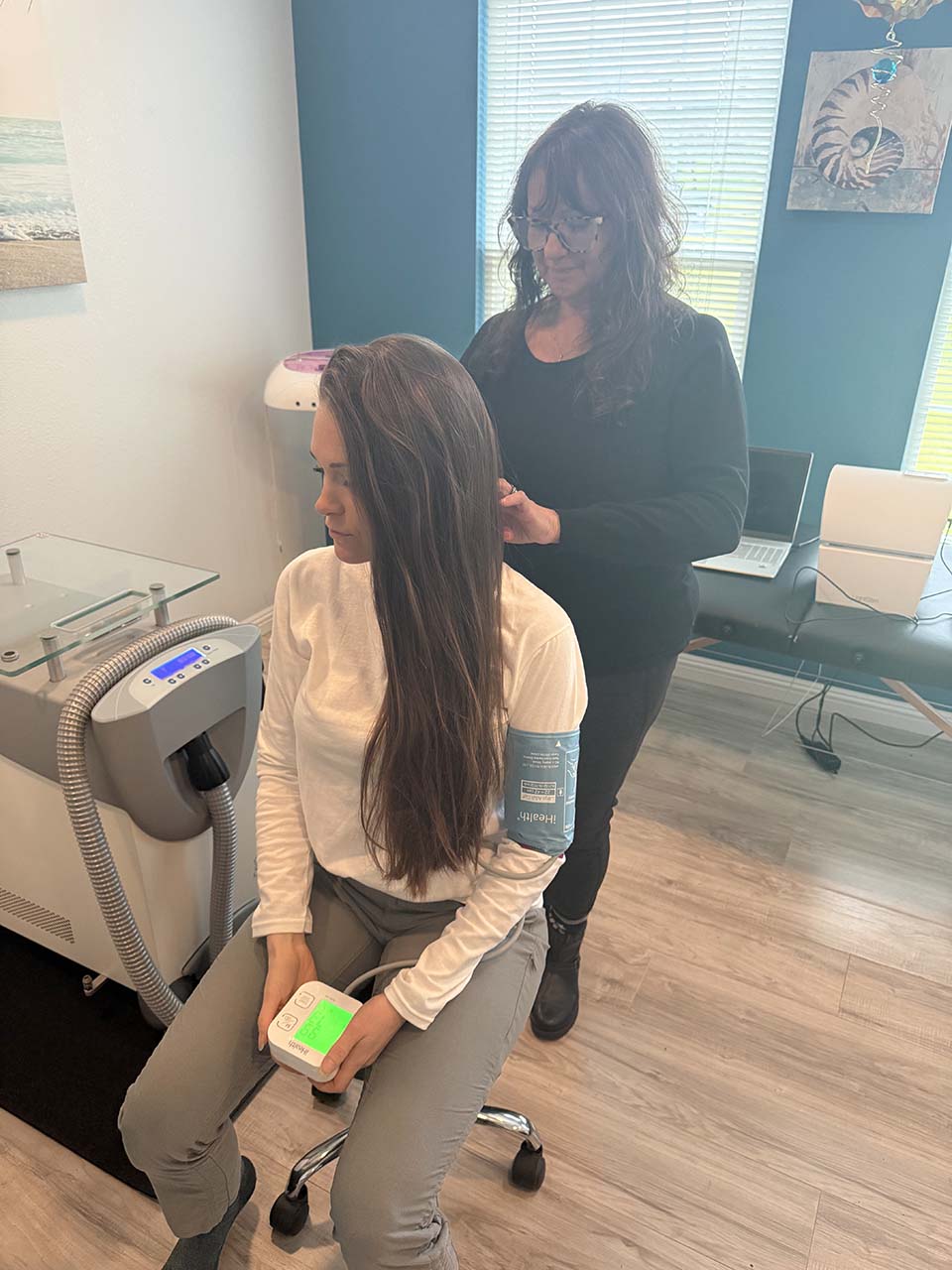
In an effort to help develop interventions, Angela is treating her own case with pulse
electromagnetic field therapy (PEMF) and cryotherapy and recording the results.
“I am objectively monitoring blood pressure, heart rate, heart rate variability, activity
level and subjective pain levels before and after treatment and the days in between,”
she said. “I have been making pretty significant improvements so far and my pain level
is way down.”
“I am very optimistic that this will be a valid treatment intervention proven with
science to help others shrink their syrinx conservatively. I will get another MRI
at the end of the year to remeasure the syrinx size. I’m hoping to publish this case
study when it’s all done.”
She is on disability leave from her work as a physical therapist until her symptoms
improve. Her days consist of physical therapy, “listening to my body, eating healthy
and not pushing into pain so my body can heal.”
Syringomyelia advocacy
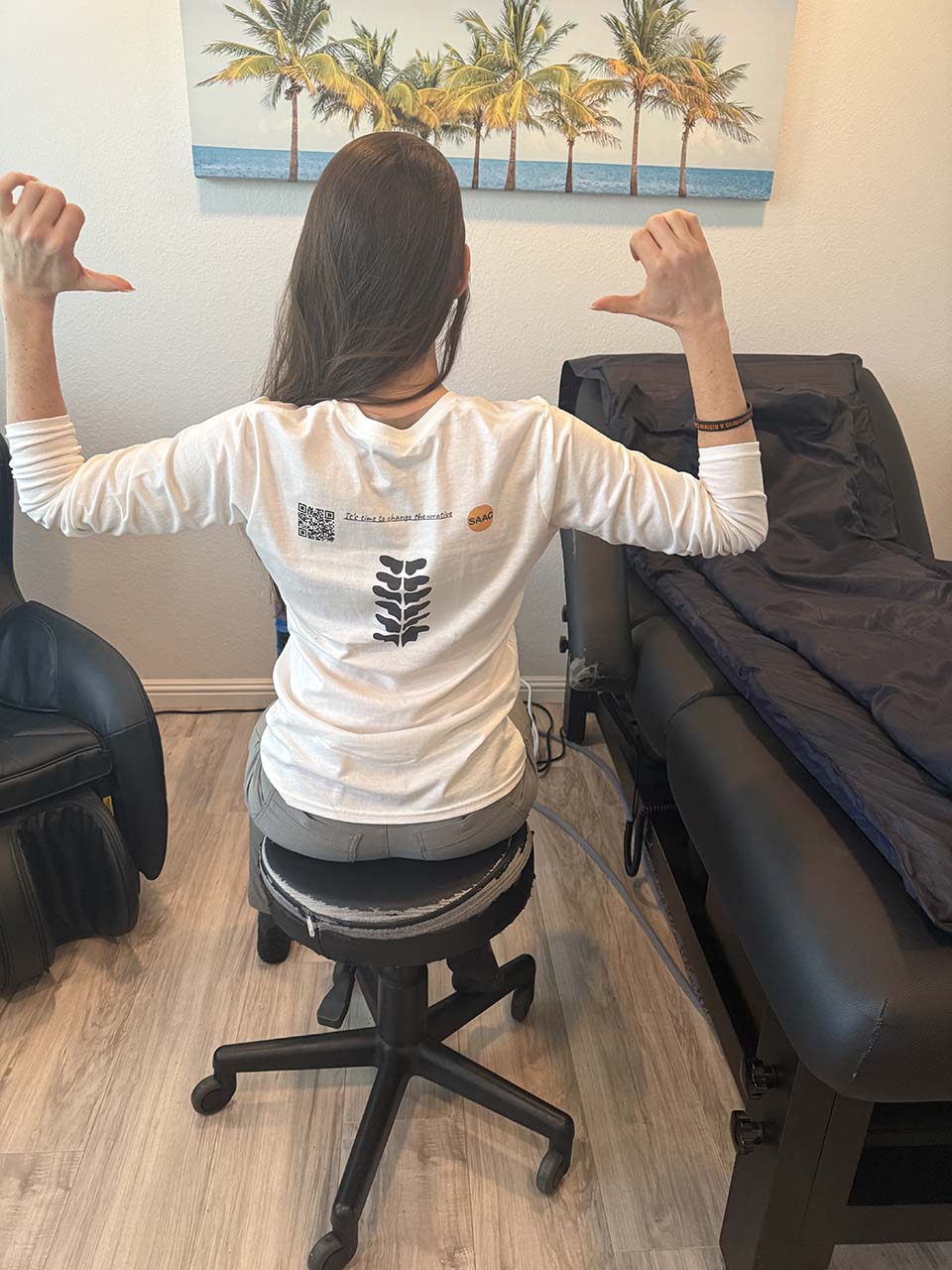
In the meantime, Angela has begun advocating for herself and others with syringomyelia.
She has become a board medical advisor for the Syrinx Awareness and Athlete Coalition (SAAC), a nonprofit organization that advocates for further comprehensive research into
root causes and risk factors, early diagnosis and less invasive treatments.
“I think is important for the public, especially the medical community, to recognize
this diagnosis so that people can get appropriate care and not worsen their condition,”
she stated. “As a health care provider myself I can strongly attest this is REAL and
these symptoms are connected. I’m super motivated to find some answers for this condition.”
“No matter what hardship in life you are going through, you must stay positive and
persevere, because that is half the battle!”