Athlete Burnout in Team Sports: A Review
This post was authored by several Trine University students as part of a classroom group research project for SM-393 Sport Psychology. The Trine University Center for Sports Studies Blog features these student contributions to showcase their academic work, encourage thought-provoking discussion, and highlight new perspectives within the study of sports.
Athlete Burnout in Team Sports: A Review
By Jaiden Boykin, Libby Fee, Arrick Kramer and Ty Morgan
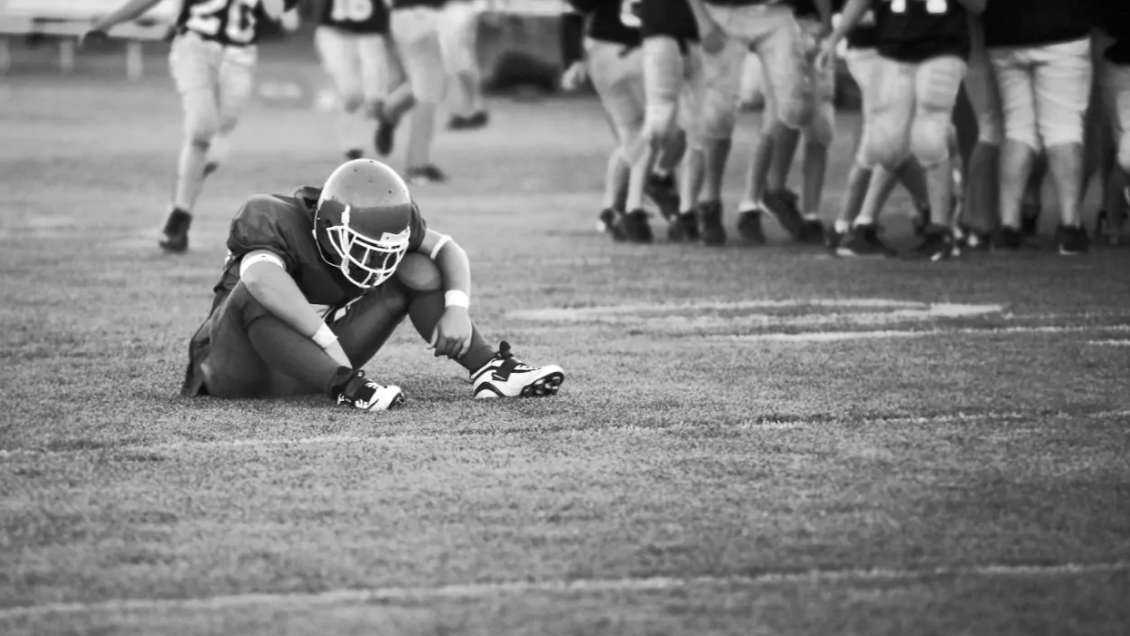 The development of sports has led to vast changes in many areas surrounding athletics;
the physical and psychological demands of sports, the physical abilities of new generations,
and the study of athletes’ psychological needs are just some developments. With the
continued development of athletics, it is imperative to provide a safe environment;
an environment athletes can flourish in not only physically, but mentally. Concerningly,
at an increasing rate, numbers of athletes of all ages, sexes, levels, and sports
are reportedly dealing with a complication, likely attributed to the ever-changing
physical and psychological demands of modern-day athletics - burnout. The following
review seeks to delve into the factors contributing to burnout and why the issue has
become so widespread.
The development of sports has led to vast changes in many areas surrounding athletics;
the physical and psychological demands of sports, the physical abilities of new generations,
and the study of athletes’ psychological needs are just some developments. With the
continued development of athletics, it is imperative to provide a safe environment;
an environment athletes can flourish in not only physically, but mentally. Concerningly,
at an increasing rate, numbers of athletes of all ages, sexes, levels, and sports
are reportedly dealing with a complication, likely attributed to the ever-changing
physical and psychological demands of modern-day athletics - burnout. The following
review seeks to delve into the factors contributing to burnout and why the issue has
become so widespread.
Burnout in athletes involved in team sports is a familiar concept within the world of athletics. The key details used to describe burnout are viewed as psychological, physical, and emotional exhaustion, which result in the disengagement of an activity that one once enjoyed and is now seen as a source of stress (Wilczynska et al, 2022). In the year of 2022, a study was done to showcase the details behind burnout in NCAA athletes. This study collected 267 student-athletes who were both male and female and between the ages of 18 and 23. These athletes were told to fill out a Likert scale-style questionnaire called the Athlete Burnout Questionnaire. The measurements of this study were the means of reduced sense of accomplishment, exhaustion, and sport devaluation (Giusti et al, 2022).
Furthermore, the main discussions within this study were burnout versus sex, burnout versus age specialization, and burnout versus injury history. In burnout versus sex, it showed that female athletes experienced higher levels of reduced sense of accomplishment than male athletes, along with being more likely to experience symptoms of burnout. Within burnout versus age of specialization, an athlete showed increased levels of burnout, decreased development over time, and higher dropout rates if they specialized in a sport before the age of 12. Finally, burnout versus injury history showed that athletes with past injuries experienced higher levels of burnout compared to athletes without an injury history (Giusti et al, 2022). Prevention strategies, discussions of burnout, and interventions can assist with burnout. Tools from positive psychology can also help with athletes of all ages experiencing burnout (Wilczynska et al, 2022).
An increasing number of young athletes are starting to struggle with burnout, and it’s turning into a serious problem in the sports world. Back in 2017, Ivarsson and his team investigated how mental stress might be connected to burnout in athletes. This study found that both stressors and perceived stress are significant causes of burnout. It suggested that the perception of stress is as impactful as the stressor itself in developing burnout (Ivarsson et al, 2018). In 2022, Zhang, L., and Yang, Y. conducted additional research, seeing how roles and group interactions impact the development of burnout. As we look at the findings, we can see that problems within the team lead to higher levels of emotional exhaustion (Zhang et al, 2022). According to the Mayo Clinic, when you start early specialization in a sport, this can lead to stress as well as athletes losing interest in their sport, eventually leading to them dropping it. Although there are prevention methods, these methods include participating in multiple sports as well as implementing rest periods. These methods are important to help athletes enjoy their sports (Doner, 2022).
Overall, burnout is a concept that is quite frequent in athletes. We see this in all different age groups, ranging from young children to college-aged athletes. The physical and psychological damages that can occur over time from intense participation can cause burnout in these athletes. Multiple studies have been conducted surrounding this topic in hopes of reducing burnout in athletes or at least assisting with the right discussions and strategies. A common denominator between the studies provided was the early involvement in sports, leading to a higher risk of burnout. Burnout in athletes is a serious topic that needs to be addressed more within sports.
References
Doner, Kalia (2022, March 14). Burnout in youth sports: Help your child stay in the game. Mayo Clinic Press. https://mcpress.mayoclinic.org/parenting/burnout-in-youth-sports-help-your-child-stay-in-the-game/
Giusti, N., Carder, S., Wolf, M., Vopat, L., Baker, J., Tarakemeh, A., Bal, K., Randall, J., & Vopat, B. (2022). A Measure of Burnout in Current NCAA Student-Athletes. Kansas Journal of Medicine, 15(3), 325–330. https://doi.org/10.17161/kjm.vol15.17784
Li, C., Ivarsson, A., Stenling, A., & Wu, Y. (2018). The dynamic interplay between burnout and sleep among elite blind soccer players. Psychology of Sport and Exercise, 37, 164–169. https://www.sciencedirect.com/science/article/pii/S1469029217303539?via%3Dihub
Wilczyńska, D., Qi, W., Jaenes, J. C., Alarcón, D., Arenilla, M. J., & Lipowski, M. (2022). Burnout and Mental Interventions among Youth Athletes: A Systematic Review and Meta-Analysis of the Studies. International Journal of Environmental Research and Public Health, 19(17), 10662. https://doi.org/10.3390/ijerph191710662
Zhang, L., Yang, Y., Wang, J., & Zhang, Y. (2022). How relationship-maintenance strategies influence athlete burnout: Mediating roles
of coach–athlete relationship and basic psychological needs satisfaction. Frontiers in Psychology, 13, 1104143. https://www.frontiersin.org/journals/psychology/articles/10.3389/fpsyg.2022
.1104143/full