Different Therapy Modalities and Their Respective Effects on Emotion
This post was authored by several Trine University students as part of a classroom group research project for SM-393 Sport Psychology. The Trine University Center for Sports Studies Blog features these student contributions to showcase their academic work, encourage thought-provoking discussion, and highlight new perspectives within the study of sports.
Different Therapy Modalities and Their Respective Effects on Emotion
By Micah Clark, Macy Huber, Grace Larson and Hunter Overholser
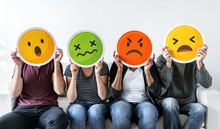 CRAAACK! The creation of that sound can be the effect of one or two circumstances:
the sound of a dinger or the sound of an individual’s knee exploding. At one point
or another in an athlete’s career, they will experience some type of physical injury,
mild or severe. After that, a cascade of emotions will wash over that specific athlete,
and they will struggle to find ways of coping with the onslaught. Inquiring minds
set out to find the several types of emotions that athletes experience when rehabilitating
from an injury and the different therapies that can be utilized to offset these symptoms.
Specifically, this paper seeks to observe disorders and occupational hazards that
occur in sports: anxiety, depression, burn-out, and fear of re-injury. The following
information is a culmination of those findings.
CRAAACK! The creation of that sound can be the effect of one or two circumstances:
the sound of a dinger or the sound of an individual’s knee exploding. At one point
or another in an athlete’s career, they will experience some type of physical injury,
mild or severe. After that, a cascade of emotions will wash over that specific athlete,
and they will struggle to find ways of coping with the onslaught. Inquiring minds
set out to find the several types of emotions that athletes experience when rehabilitating
from an injury and the different therapies that can be utilized to offset these symptoms.
Specifically, this paper seeks to observe disorders and occupational hazards that
occur in sports: anxiety, depression, burn-out, and fear of re-injury. The following
information is a culmination of those findings.
Not only are athletes impacted by physical and psychological aspects when an injury occurs, but during the COVID-19 pandemic their symptoms exacerbated themselves. The pandemic not only affected athletes' mental health, leading to increased depression and anxiety, with team sport athletes showing greater psychological distress compared to individual sport athletes due to the social isolation they experienced (Jeong & Li, 2024). Training intensity, particularly over working athletes, contributes to the physical and mental health challenges, such as lack of sleep and higher injury risks, which also impacts the psychological issues that athletes can be experiencing. Athletes with higher expectations are more susceptible to mental health issues post injury. Social support from coaches, teammates and family plays a huge role in recovery and psychological healing processes (Jeong & Li, 2024). Stressing the need for comprehensive therapy for these athletes that address both physiological and psychological recovery can ensure a successful return to sport for athletes.
Rational-emotive digital storytelling (REDStory), remolded from rational-emotive behavior therapy (REBT), helps individuals to identify and challenge undermining thoughts (Ofoegbu et al., 2020). This study applies REDStory to reduce burnout in adolescent athletes, which is characterized by negative appraisal of self or situation, exhaustion, and loss of interest (Raedeke, 1997). Athletes viewed designed videos of others overcoming similar burnout struggles and completed REBT exercises to improve cognition and emotional resilience. Results showed a reduction over time in burnout symptoms based on pre- and post-test comparisons.
Along with the emotions of anxiety and depression, fear of re-injury is a major emotion athletes will experience in the recovery process. According to Jung Hsu, Meierbachtol, George, and Chmielewski (2016), the fear of re-injury exhibited adverse health effects on an athlete’s physiological and psychological mannerism which led to a lack of trust in their injured limb and in turn affecting their rehabilitation outcome. They also found that fear of re-injury may impact an athlete’s muscle activation and endurance, hindering their ability to recruit the correct muscles and leading to an increased risk of re-injuring themselves. Clement, Arvinen-Barrow, and Fetty (2015) had said that the largest behavioral response to an athlete’s injury was to seek support from those in their social circle such as family, teammates, coaches, medical professionals, and most of all their significant others. Making sure these athletes have that supportive circle will be imperative to their recovery and subsequent return to sport. If both of these aspects are not addressed, an athlete’s likelihood of a successful return diminishes.
With that, it is important to know how to deal with a specific athlete and the different emotions each may be experiencing. Research by Clement, Arvinen-Barrow, and Fetty (2015) implies that Athletic Trainers (ATs) and Physical Therapists (PTs), when aiding a patient in recovery, should be well equipped to handle and understand the emotions different athletes may experience. Understanding how their stressors, self-perceptions, athletic identity, and many other individual factors may differ from athlete to athlete. These are strategies most psychologists are equipped with before entering their profession; many PTs and ATs are not briefed on how to deal with the different emotions each athlete may go through. With that idea mentioned, Dr. Emily Watkins of Trine University has stated that she wishes PTs had more mandatory psychology classes in undergraduate and graduate school to better understand the emotions different athletes may be experiencing during the rehabilitation process (E. Watkins, personal communication, February 17th, 2025). With the addition of this skill in a professional's pocket, it will make their ability to give quality and individualized care effortless to each athlete they see.
During the career of many athletes, the likelihood of them experiencing some sort traumatic or insidious injury is likely. Athletes will deal with many of the emotions discussed throughout this paper and numerous more emotions. No two athletes will be the same in the emotions they experience, and it becomes important to understand how to deal with those emotions and discover new ways in which to help athletes cope with these feelings and move past their injuries. Whether that be through training of therapists to be more psychologically trained to deal with athlete’s emotions, using modern technologies like digital storytelling, and how social circles and peers help to relieve the feelings of fear, depression, and anxiety many athletes will experience in their recovery process. Focusing on these factors should warrant a faster recovery and endow the athlete with an improved mental state pre-and-post injury.
References
Clement, D., Arvinen-Barrow, M., & Fetty, T. (2015). Psychosocial responses during different phases of sport-injury rehabilitation: a qualitative study. Journal of athletic training, 50(1), 95–104. https://doi.org/10.4085/1062-6050-49.3.52
Hsu, C. J., Meierbachtol, A., George, S. Z., & Chmielewski, T. L. (2016). Fear of Reinjury in Athletes. Sports health, 9(2), 162–167. https://doi.org/10.1177/1941738116666813
Jeong, L., & Li, D. (2024). Psychological well-being from sports injuries in adolescence: A narrative review. Cureus, 16(7). https://doi.org/10.7759/cureus.64018
Ofoegbu, T. O., Asogwa, U. D., Ogbonna, C. S., Aloh, H. E., Eseadi, C., Eskay, M., Nji, G. C., Ngwoke, O. R., Agboti, C. I., Nnachi, R. A., Nnachi, O. C., & Otu, M. S. (2020). Effect of digital storytelling intervention on Burnout Thoughts of Adolescent. Medicine, 99(30). https://doi.org/10.1097/md.0000000000021164
Raedeke, T. D. (1997). Is athlete burnout more than just stress? A sport commitment perspective. Journal of Sport and Exercise Psychology, 19(4), 396–417. https://doi.org/10.1123/jsep.19.4.396