Examining the Psychological Effects on Professional Athletes After Retirement
This post was authored by several Trine University students as part of a classroom group research project for SM-393 Sport Psychology. The Trine University Center for Sports Studies Blog features these student contributions to showcase their academic work, encourage thought-provoking discussion, and highlight new perspectives within the study of sports.
Examining the Psychological Effects on Professional Athletes After Retirement
By Nicole Azzue, Carter Bush, Cole Lang and Sara Parkison
Athletic retirement is a transition that athletes experience at the end of their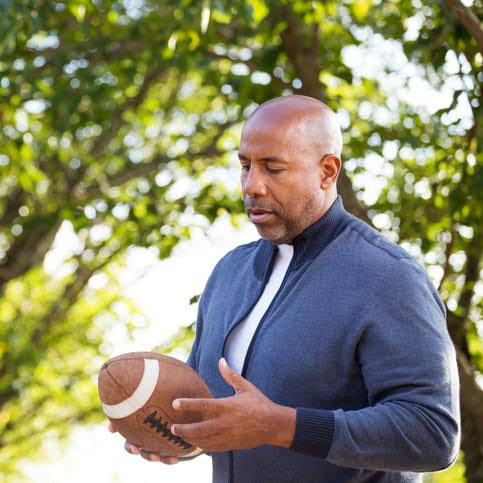 athletic careers. This process causes athletes to step out of sports either out of
necessity or choice. From high school to pro athletes and anything in between, they
all will experience retirement. Because of the major effects this brings onto athletes,
athletic retirement should be talked about more to fully bring awareness. According
to the NCAA, about 530,000 compete as NCAA athletes and only a few go on to the professional
level (2020). In the United States, many athletes will endure athletic retirement
ending their athletic careers. Athletic retirement is a risk factor for all athletes,
varsity athletes have correlated athletic retirement with psychiatric symptoms such
as anxiety and depression (Giannone et al., 2017). Some of these effects include psychological,
sociological, and physical. Though these affect all athletes, pro athletes experience
more profound psychological effects after retirement and should be further analyzed
to understand the severity of athletic retirement.
athletic careers. This process causes athletes to step out of sports either out of
necessity or choice. From high school to pro athletes and anything in between, they
all will experience retirement. Because of the major effects this brings onto athletes,
athletic retirement should be talked about more to fully bring awareness. According
to the NCAA, about 530,000 compete as NCAA athletes and only a few go on to the professional
level (2020). In the United States, many athletes will endure athletic retirement
ending their athletic careers. Athletic retirement is a risk factor for all athletes,
varsity athletes have correlated athletic retirement with psychiatric symptoms such
as anxiety and depression (Giannone et al., 2017). Some of these effects include psychological,
sociological, and physical. Though these affect all athletes, pro athletes experience
more profound psychological effects after retirement and should be further analyzed
to understand the severity of athletic retirement.
Paul Wash, an English footballer who was rewarded ten England under-21 caps, five full England caps, and was Professional Footballer’s Association Young Player of the year, dealt with athletic retirement through his addiction to alcohol and money. The book The Death of You: Life After Elite Sport by Luke Sutton captures many elite athletes, including Wash, to reveal the brutality of retirement. Wash was an amazing football player because of his passion for the sport; he was exhilarated by it. His years in the making were spent trying to be noticed because of his shortness. Eventually, Wash was named as one of the most talented English strikers of his generation. The post-retirement psychological effects can be demonstrated by Wash’s struggles. “Paul’s struggle with an attachment to the persona he thought he was very common in professional sportspeople when they retire” (Sutton, 2023). Wash, like many other athletes, likes to cling onto who they used to be because that is what made them successful. Athletes who suffer and lose their sense of self after retirement often develop unhealthy habits as they try to stay as they were. It’s understood that years of becoming a pro athlete affect an individual’s sense of self. Life after athletic retirement is like an abyss; the future becomes scary and dark. After learning more about Paul Wash’s athletic retirement, it’s understood that athletics help in creating oneself. Wash’s experience with retirement is like many other athletes, who experience psychological effects on their mental health and behavior after retirement (Sutton, 2023).
No one knows about retirement more than Michael Jordan, who retired three times during his illustrious career (Kasabian, 2020). In an article from ESPN, he reminisced about his fifteen years in the National Basketball Association (NBA) and the memories he made. Jordan stated, “Man, I wish I was playing right now. I would give up everything now to go back and play the game of basketball” (Thompson, 2020). Athletes like Michael Jordan oftentimes struggle with their identity after retirement. They spend most of their lives placing their identity in athletics. For professional athletes, it is not just their personal identity that is placed in athletics, but also their public identity. Studies show that athletes do not just lose their sport when they retire, but they also “substantially alter and may lose a core aspect of their personal identity” (Voorheis et al., 2023). From this, it’s understood that sport identity is a psychological aspect of athletes and redefining one’s identity outside of sport can take up to years. Additionally, if athletes are forced to retire unexpectedly, they may be left feeling lost and struggle transitioning out of sport effectively, impacting their physical, mental, and social health. These effects are amplified in professional athletes who have invested more of themselves into their sport (Moore et al., 2022). For those who are forced to retire at a young age, they may be left wondering how their careers would have fared if they had continued playing. This was the case for Jordan after his second retirement in 1998. As mental health awareness continues to grow, more resources are being made available to athletes to help them cope with their transition into retirement.
Athletic retirement at any level carries significant implications, as Agassi compares it to “preparing for death”. All the research implies that retirement should be treated as a major emotional transition in which athletes have resources to make the career transition more adaptable. “Many athletes report a lack of organizational support post-retirement (Brown & Portrac, 2009) and often, as a result, have difficulty knowing how to find psychological support associated with career transition adjustment” (Mikayo et al., 2024). The programs must help to provide a place where athletes can gain the ability to manage their feeling of loss, while also rebuilding their sense of self beyond sport. They must adjust psychologically and expand beyond traditional planning, focusing on more practical concerns for the athletes. These implications underline the major need for sports organizations to make mental health and identity focused resources so that there is better long-term support for the athlete’s well-being.
Athletic retirement is a difficult transition that means way more to the athlete than just the game. As the research shows, retiring athletes often face a combination of psychological, sociological, and physical effects, with identity loss showing as the biggest obstacle. While watching top of the line athletes like Michael Jordan, who made openly clear his difficulty without basketball, or retired professionals like Paul Wash, whose post-retirement struggles highlight the emotional toll of an athlete leaving sport, it becomes clear that athletes at all levels benefit from support throughout this transition. The evidence suggests that there are ways to prepare and adapt to athletic retirement. Athletes can handle retirement by dealing with identity and seeking further social support such as mental health providers. At the end of the day, gathering awareness of these challenges helps both coaches, practitioners, and teams to better prepare athletes for retirement, and former athletes make fulfilling identities after their athletic careers.
References
Giannone, Z. A., Haney, C. J., Kealy, D., & Ogrodniczuk, J. S. (2017). Athletic identity and psychiatric symptoms following retirement from varsity sports. International Journal of Social Psychiatry, 63(7), 598–601. https://doi.org/10.1177/0020764017724184
Kasabian, P. (2020). Michael Jordan, Peyton Manning, Best Athletes Who Retired After Winning a Title. Bleacherreport.com. https://bleacherreport.com/articles/2892077-michael-jordan-peyton-manning-best-athletes-who-retired-after-winning-a-title
Miyako Oulevey, Lavallee, D., Yasutaka Ojio, & Naohiko Kohtake. (2024). The design of a career transition psychological support program for retired Olympic athletes in Japan. Asian Journal of Sport & Exercise Psychology, 4(1), 7–10. https://doi-org.tuproxy.palni.edu/10.1016/j.ajsep.2024.01.001
Moore, H. S., Walton, S. R., Eckenrod, M. R., & Kossman, M. K. (2022). Biopsychosocial Experiences of Elite Athletes Retiring From Sport for Career-Ending Injuries: A Critically Appraised Topic. Journal of Sport Rehabilitation, 31(8), 1095–1099. https://doi.org/10.1123/jsr.2021-0434
NCAA. (2020, April 8). Estimated probability of competing in college athletics. NCAA.org; NCAA. https://www.ncaa.org/sports/2015/3/2/estimated-probability-of-competing-in-college-athletics.aspx
Sutton, Luke. The Death of You : Life After Elite Sport. White Owl, 1 Jan. 2023. eBook Academic Collection (EBSCOhost), Accessed 21 Nov. 2025.
Thompson, W. (2020, May 2). From the archives: Michael Jordan has not left the building - ESPN. ESPN.com; ESPN. https://www.espn.com/nba/story/_/id/29117745/michael-jordan-not-left-building
Voorheis, P., Silver, M., & Consonni, J. (2023). Adaptation to life after sport for retired athletes: A scoping review of existing reviews and programs. PloS one, 18(9), e0291683. https://doi.org/10.1371/journal.pone.0291683